
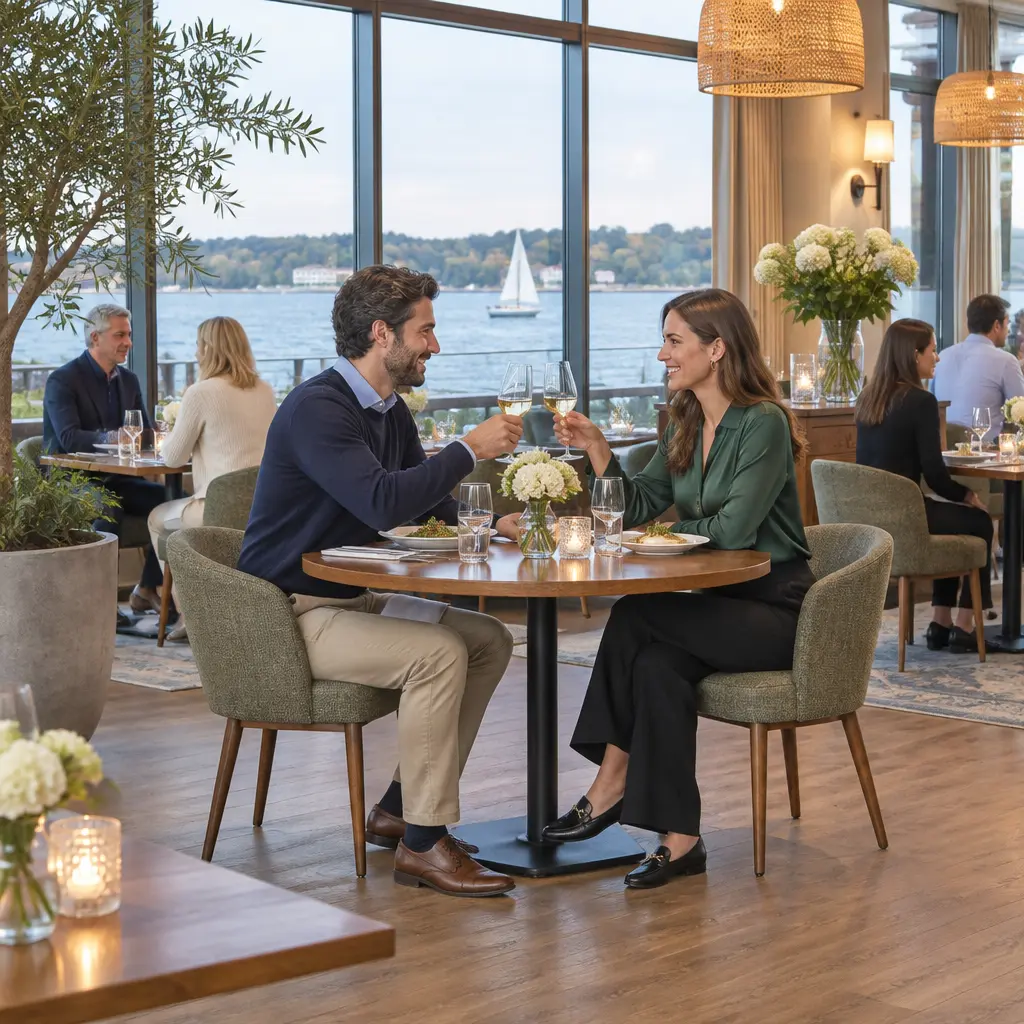
An anniversary dinner is a shared meal planned to mark a couple’s relationship milestone, and the most romantic choice is one that reflects the couple rather than a fixed idea of luxury. A thoughtful evening might feature a candlelit restaurant, a favorite cuisine, a meaningful view, or a home-cooked menu. These ideas fit the occasion’s personal purpose: research published in the Journal of Social and Personal Relationships found that sharing novel activities can help couples feel closer, while the National Restaurant Association regularly identifies dining out as a popular way people celebrate special occasions. Below are practical ideas for choosing a setting, building a memorable menu, personalizing the details, and planning around budget and comfort.
Anniversary Dining Ideas Reflect Relationship Meaning and Shared Preferences
Romantic anniversary dining is a celebratory meal designed to create connection through food, atmosphere, and shared attention. There is no single authoritative definition of a “romantic” dinner; in practice, the idea combines a setting that feels special with choices that suit both partners. The National Restaurant Association’s consumer research treats special-occasion dining as an important reason people visit restaurants, while relationship researchers have linked shared, engaging activities with greater relationship quality.
The useful distinction is between spectacle and significance. An expensive tasting menu may be memorable, but so can a picnic at the place where a couple first met. Start with what feels meaningful, then choose the dining format that makes it easy to enjoy the occasion together.
Fine-Dining Restaurant: A Structured Celebration
Fine dining is a restaurant experience emphasizing attentive service, carefully prepared dishes, and a deliberate atmosphere. It suits couples who enjoy trying new food or would rather leave cooking and cleanup to professionals. To make the evening personal, request a quiet table, mention the anniversary when booking, and ask about a tasting menu or dishes that can accommodate dietary needs. A reservation request is not a guarantee of special treatment, so confirm important arrangements directly with the restaurant.
Nostalgic Restaurant: A Meal with a Story
A nostalgic dinner revisits a place, dish, or cuisine connected to the couple’s shared history. It might be the restaurant where they had their first date, a neighborhood café they used to frequent, or food inspired by a memorable trip. This option turns the meal into a conversation prompt: couples can recall how they met, what has changed, and what they hope to experience next. If the original venue has closed, recreate one signature dish at home or choose a restaurant serving similar food.
Destination Dining: A View or Setting as the Main Event
Destination dining pairs a meal with a distinctive location, such as a rooftop, waterfront, garden, vineyard, or restaurant with a panoramic view. The setting can make an ordinary menu feel like an occasion, but practical details matter: check transport, weather, accessibility, noise levels, and whether the view is available at the booked time. For a lower-cost version, bring a packed dinner to a scenic public spot, following local rules and leaving the area clean.
Anniversary Dinner Menus Balance Celebration, Comfort, and Dietary Needs
A celebratory menu is a sequence of food and drinks selected to suit the occasion and the people sharing it. The best menu is not necessarily the most elaborate: it is one that both partners can enjoy without stress. The Centers for Disease Control and Prevention reports that food allergies affect an estimated 6% of U.S. adults and 8% of children, underscoring why it is sensible to confirm ingredients and cross-contact procedures when allergies are involved. Communicate dietary needs to a restaurant in advance, or plan substitutions when cooking at home.
Tasting Menu: A Guided Culinary Experience
A tasting menu is a series of smaller courses selected by a chef to showcase ingredients, techniques, or a culinary theme. It can make dinner feel like an event and give the couple something new to discuss between courses. Before booking, check the number of courses, expected dining time, price, and availability of vegetarian, allergy-aware, or alcohol-free options. Couples who prefer flexibility may find à la carte dining more comfortable.
Home-Cooked Dinner: Personal Effort Without Restaurant Formality
A home-cooked anniversary dinner is a meal prepared by one or both partners in a familiar setting. Its value often comes from the attention behind it rather than technical complexity. Choose a manageable menu—such as a favorite starter, a main course that can be prepared ahead, and a shared dessert—and set the table with flowers, candles, or a handwritten note. Preparing some dishes together can make the cooking part of the date; otherwise, divide tasks so one person is not left working through the entire celebration.
Picnic or Dessert-First Dinner: Flexible Alternatives
A picnic dinner uses portable food and an informal outdoor setting, while a dessert-first date centers the experience on sweets, coffee, or a bakery visit. Both formats can work well for couples who prefer relaxed celebrations, have a limited budget, or want to avoid a long restaurant meal. Pack food that travels safely, check the forecast and venue rules, and bring a blanket or seating. For a dessert-focused outing, add a walk or a stop at a meaningful location to give the evening a sense of occasion.
Personalized Anniversary Details Make a Meal Feel Distinctive
Personalization means adding details that reflect a couple’s shared memories, preferences, or future plans. Relationship research offers a reason to prioritize meaningful interaction over decoration alone: a 2000 study by Arthur Aron and colleagues, published in the Journal of Personality and Social Psychology, found that couples who took part in novel and arousing activities reported greater increases in relationship quality than couples assigned routine activities. The study does not prove that a particular dinner format improves every relationship, but it supports making room for shared discovery.
A Shared-Memory Menu
A shared-memory menu uses dishes linked to important moments: a meal from a honeymoon destination, a first-date order, or a recipe learned from family. Add a short menu card explaining each connection, or tell the stories naturally over dinner. This transforms food into a narrative of the relationship without requiring a costly venue or elaborate production.
Conversation and a Future-Date Toast
A conversation-led dinner makes attentive listening part of the plan. Couples might each share a favorite memory from the past year, something they appreciate about the other, and one experience they hope to have together. Keep prompts optional and light; the goal is connection, not turning dinner into an interview. A toast can be alcoholic or alcohol-free, with sparkling water, tea, or a favorite nonalcoholic drink.
Small Gestures with High Personal Relevance
Small gestures include a handwritten note, a playlist of meaningful songs, a framed photograph, or a dessert bearing a personal message. These additions work best when they reflect the recipient’s tastes rather than generic expectations. If a restaurant is involved, ask in advance whether it permits outside decorations or desserts and whether any fees apply.
Anniversary Dining Plans Account for Budget, Timing, and Access
A practical dinner plan matches the desired experience to a realistic budget, schedule, and access requirements. The U.S. Bureau of Labor Statistics’ Consumer Expenditure Surveys track household spending on food away from home, illustrating that restaurant dining is a regular budget category—but spending varies by household, location, and year. Rather than treating price as a measure of romance, decide what matters most and allocate money accordingly.
Budget Tiers and Smart Trade-Offs
A lower-cost celebration could be a home-cooked meal, a bakery dessert, or a picnic; a mid-range plan might pair a neighborhood restaurant with a personal activity; and a higher-budget option could include a tasting menu or an overnight destination. A useful approach is to spend on one priority—such as an exceptional meal or a scenic setting—and simplify other elements. Check the full cost, including tax, gratuity, transport, drinks, and any booking fees.
Reservations, Timing, and Accessibility
Good logistics help protect the mood of the evening. Book early for popular dates, verify opening hours and cancellation terms, and mention seating or mobility needs when reserving. Ask about noise, stairs, accessible restrooms, parking, and menu accommodations when relevant. If the couple prefers a quieter experience, an early or late reservation may be calmer than peak dinner hours.
A Simple Planning Checklist
- Agree on the style of evening: formal, nostalgic, adventurous, relaxed, or at home.
- Set a comfortable total budget before choosing a restaurant or menu.
- Confirm dietary needs, accessibility, transport, and reservation details.
- Add one personal touch that reflects a shared memory or interest.
- Leave enough time to enjoy the meal without rushing to the next activity.
Conclusion: Choose an Anniversary Dinner That Feels Like Yours
Romantic anniversary dining can mean fine dining, a nostalgic restaurant, a scenic picnic, a tasting menu, or a carefully planned meal at home. A thoughtful menu accommodates both partners, while personal details and shared activities make the occasion memorable. Budget, timing, dietary needs, and accessibility are part of the experience—not afterthoughts. Choose one idea that fits your relationship, make the necessary arrangements, and focus on being present with each other. For further planning, consult restaurant menus and policies directly, and use relationship research as inspiration rather than a rulebook.
Sources: Aron, Arthur, et al., “Couples’ Shared Participation in Novel and Arousing Activities and Experienced Relationship Quality,” Journal of Personality and Social Psychology, 2000, https://doi.org/10.1037/0022-3514.78.2.273; Centers for Disease Control and Prevention, “Food Allergies,” https://www.cdc.gov/healthyschools/foodallergies/; National Restaurant Association, Research and Reports, https://restaurant.org/research-and-media/research/; U.S. Bureau of Labor Statistics, Consumer Expenditure Surveys, https://www.bls.gov/cex/.