
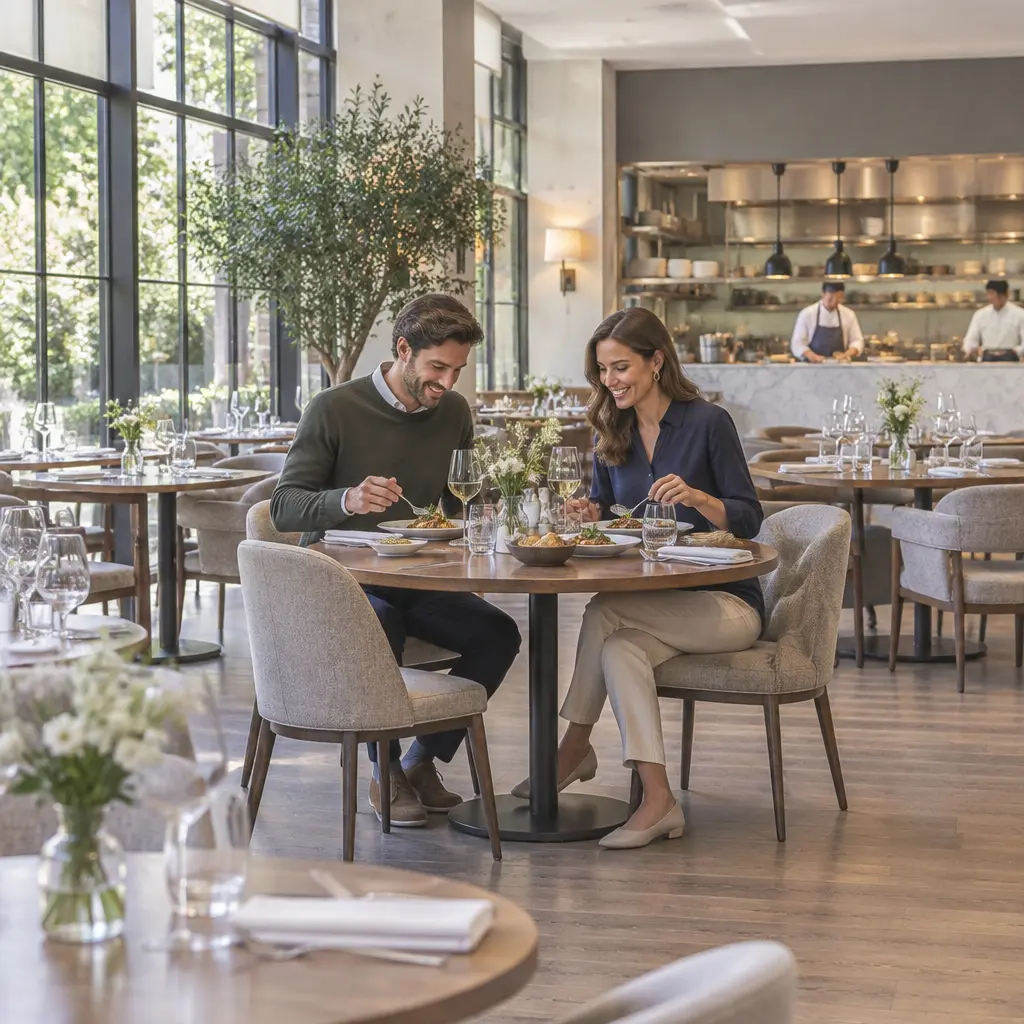
A splurge-worthy dining experience for a couple is a thoughtfully chosen meal in which the food, setting, service, and occasion together justify spending more than usual. The best choice is not necessarily the most expensive: it might be a Michelin-starred tasting menu, a chef’s counter, a destination restaurant, or a special-occasion dinner with a memorable view. Michelin’s 2024 global selection included more than 3,500 starred restaurants, demonstrating the breadth of high-end dining, while the Michelin Guide’s distinctions offer one useful—though not exhaustive—way to compare culinary ambition. This guide explains what makes a dinner worth the splurge, how to choose among experience types, what costs and practical details to check, and how to plan a memorable evening for two.
What Makes a Splurge-Worthy Dining Experience for a Couple
A splurge-worthy meal combines elevated cooking with an experience that feels distinctive and well suited to the diners. The Michelin Guide describes its star ratings as assessments of food quality, based on criteria including ingredient quality, harmony of flavors, mastery of technique, the chef’s personality in the cuisine, and consistency. Stars evaluate the cooking—not whether a restaurant is romantic, luxurious, or a good fit for every couple.
That distinction matters. A restaurant may merit a culinary award yet feel too formal, loud, lengthy, or costly for a particular date. Conversely, a neighborhood restaurant without major awards may deliver an exceptional shared evening through warm service, a compelling menu, and a setting the couple loves. Treat rankings as evidence to consider, not a substitute for personal fit.
Culinary distinction and a clear point of view
Culinary distinction means that the cooking shows skill, consistency, and a recognizable idea. Look for menus that explain a chef’s regional influences, seasonal ingredients, or approach to a particular cuisine. The Michelin Guide’s Green Star separately recognizes restaurants demonstrating notable commitments to sustainable practices; it can help couples who want their meal to reflect environmental values as well as culinary ambition.
Atmosphere, hospitality, and shared enjoyment
Atmosphere includes lighting, noise, seating, pacing, and the feeling of being welcomed. For a couple, the practical question is whether the setting supports the kind of evening they want: intimate conversation, a lively celebration, or an immersive culinary event. Check recent guest reviews for comments about sound and service, and tell the restaurant about an anniversary or other occasion when booking. A thoughtful acknowledgment is never guaranteed, but clear communication helps the team understand the visit.
Value beyond the menu price
Value is the relationship between the full cost and what the couple receives—not simply the cost per dish. The U.S. Bureau of Labor Statistics’ Consumer Expenditure Surveys track household spending on food away from home, offering a useful reminder that restaurant spending competes with other household priorities. For a special dinner, calculate the likely total, including tax, service charge or tip, drinks, transportation, and any deposit. Decide together what feels comfortable before reserving.
Types of Splurge-Worthy Dining Experiences for Couples
Once the couple agrees on budget and mood, the next decision is the format. The main options differ in length, interaction, menu flexibility, and formality, so matching the format to the occasion can matter as much as choosing the restaurant.
Tasting menus and Michelin-starred restaurants
A tasting menu is a sequence of smaller courses selected by the chef, often designed to express a restaurant’s style. It suits couples who enjoy trying unfamiliar flavors and are comfortable with a meal that may take several hours. Michelin’s star system ranges from one star for high-quality cooking to three stars for exceptional cuisine considered worth a special journey. Because the rating concerns food rather than romance or value, review the current menu, duration, dietary policies, and total price before booking.
Chef’s counters and interactive dining
A chef’s counter places diners close to the kitchen or preparation area, allowing them to watch techniques and sometimes speak with the team. This format can make the meal feel personal and educational, especially for couples interested in cooking. It may be less private than a conventional table, however, and seats are often limited. Ask whether the counter serves a set menu, accommodates allergies, and offers enough space for two to sit together.
Destination dining and memorable settings
Destination dining makes the restaurant part of a larger outing, such as a countryside inn, a seaside restaurant, or a dining room with a notable city view. The appeal comes from combining the meal with travel, scenery, or a special itinerary. Build in transport time and check cancellation terms, weather exposure, accessibility, and the availability of nearby accommodation if the journey is long. A beautiful location cannot compensate for a plan that leaves the couple rushed or stranded.
Wine pairings and beverage-led experiences
A pairing matches drinks with courses to highlight or contrast flavors. Some restaurants offer wine flights; others provide nonalcoholic pairings featuring tea, juices, or botanical drinks. Ask whether a pairing is optional, how many pours it includes, and whether the restaurant can tailor it to preferences. Couples do not need to order identical drinks: sharing one pairing, choosing individual beverages, or skipping alcohol can all be part of a satisfying experience.
How Couples Can Choose and Plan the Right Splurge
Choosing well is a practical exercise in aligning expectations. A short planning conversation can prevent the most common disappointments: a bill beyond budget, a menu that excludes a diner, an inconvenient reservation time, or an experience that is more formal than expected.
Set a shared budget and check the full cost
Agree on a spending range before browsing. Then inspect the restaurant’s current pricing and policies rather than relying on old reviews. Confirm whether menu prices exclude tax, whether service is included, and whether deposits, cancellation fees, supplements, or beverage pairings are charged separately. If the restaurant publishes a sample menu, use it to estimate a realistic total for two.
Match the menu to dietary needs and preferences
Contact the restaurant before booking if either diner has an allergy, dietary restriction, or strong preference. Explain the requirement specifically and ask whether the kitchen can safely accommodate it across the entire meal. For a fixed tasting menu, confirm that suitable alternatives are available; do not assume that a restaurant can make last-minute changes to every course.
Reserve strategically and communicate the occasion
Book early for popular restaurants, limited-seat counters, weekends, and holiday dates. When making the reservation, request practical details such as a quieter table, step-free access, or a preferred seating time. Mention the occasion politely, but plan the evening around the experience itself rather than expecting complimentary extras.
Choose a pace and setting that suit both diners
A multi-course dinner can be an excellent celebration if both people enjoy lingering over food. If one diner prefers conversation and a shorter meal, consider à la carte dining, a smaller tasting menu, or a chef’s counter with a defined service length. Check recent reviews and the restaurant’s own description for clues about noise, dress expectations, course duration, and formality.
A Practical Comparison of Couple-Friendly Dining Formats
The comparison below is a planning aid, not a ranking. Actual prices, timings, and policies vary by restaurant and location, so confirm details directly before paying a deposit or traveling.
- Tasting menu: Best for culinary discovery; typically structured and longer; check course count, dietary flexibility, and beverage costs.
- Chef’s counter: Best for interaction and a view of the cooking; may feel less private; confirm seating arrangement and menu format.
- Destination restaurant: Best for making dinner part of a trip; requires more travel planning; check transport, weather, and cancellation policies.
- Wine or nonalcoholic pairing: Best for exploring drink-and-food combinations; adds to the bill; verify pour count, alternatives, and whether it is optional.
A simple chart could plot each format by approximate cost and interaction level, using the restaurants’ current published prices. Because no universal price range applies across cities or countries, couples should use local menus rather than generic averages to create that comparison.
Conclusion: Make the Splurge Personal
The strongest splurge-worthy dining experience for a couple combines excellent food, a fitting atmosphere, attentive hospitality, and a transparent total cost. Michelin stars and other distinctions can help identify culinary ambition, while tasting menus, chef’s counters, destination restaurants, and beverage pairings offer different ways to shape the evening. Choose the format that fits both diners, verify the menu and policies, and reserve with practical needs in mind. For further research, compare current restaurant menus, consult trusted dining guides, and check the restaurant directly before committing.
Sources: Michelin Guide, What Is a Michelin Star?, https://guide.michelin.com/en/article/features/what-is-a-michelin-star; Michelin Guide, The MICHELIN Guide 2024 Global Overview, https://guide.michelin.com/en/article/michelin-guide-ceremony/the-michelin-guide-2024-global-overview; Michelin Guide, The MICHELIN Green Star, https://guide.michelin.com/en/article/features/the-michelin-green-star; U.S. Bureau of Labor Statistics, Consumer Expenditure Surveys, https://www.bls.gov/cex/.